
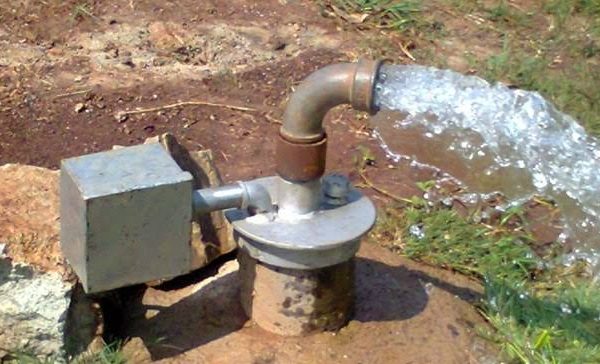
Drilling a borehole is an effective solution for accessing groundwater resources. Whether you’re considering a borehole for residential, commercial, or agricultural purposes, it’s crucial to understand the costs associated with the drilling process. In this article, we will delve into the various factors that contribute to the overall expenses involved in drilling a borehole, allowing you to make informed decisions for your water sourcing needs.
- Site Survey and Geological Assessment: Before commencing the drilling process, a comprehensive site survey and geological assessment are necessary. These steps ensure that the drilling location is suitable and that the aquifer’s depth, quality, and potential yield are evaluated. The cost of a site survey and geological assessment can range from $500 to $2,000, depending on the complexity of the project and the geographic location.
- Drilling Equipment and Labor Costs: The drilling equipment required for borehole construction is a significant contributor to the overall expenses. The cost of equipment and labor can vary depending on several factors, such as the depth of the borehole and the type of drilling method employed. On average, drilling costs can range from $10 to $30 per foot. For example, drilling a 100-foot borehole may cost between $1,000 and $3,000.
- Casing and Well Development: Casing is an essential component of a borehole as it prevents the walls from collapsing and maintains the integrity of the well. The cost of casing materials, such as PVC or steel, and the installation process should be factored into the overall expenses. Additionally, well development techniques, such as air-lifting or surging, may be required to remove drilling mud and improve water flow. These costs can vary but typically range from $500 to $2,500, depending on the depth and diameter of the borehole.
- Pumping System and Electrical Connections: To extract water from the borehole, a pumping system is necessary. The type of pump required depends on factors like the depth of the borehole, water demand, and desired flow rate. The cost of the pumping system can range from $1,000 to $5,000 or more, depending on the specifications and desired efficiency. Additionally, electrical connections to power the pump should be considered, including the cost of wiring and installation.
- Permitting and Regulatory Compliance: Before drilling a borehole, it is crucial to obtain the necessary permits and comply with local regulations. The costs associated with permits and regulatory compliance can vary significantly depending on your location and the complexity of the process. Expenses may include application fees, environmental impact assessments, and professional consultation fees. It’s advisable to consult with local authorities or drilling professionals to understand the specific requirements and associated costs.
- Ongoing Maintenance and Water Testing: Once the borehole is drilled and operational, ongoing maintenance and water testing are essential to ensure the system’s longevity and water quality. Routine inspections, equipment servicing, and periodic water testing for contaminants should be included in your budget. These costs will depend on the frequency of maintenance and testing required, but a rough estimate is around $200 to $500 per year.
Drilling a borehole can provide a sustainable and cost-effective solution for water sourcing. However, it’s crucial to consider the various costs associated with the process to plan your budget effectively. From site surveys and drilling equipment to casing, pumping systems, and ongoing maintenance, each element contributes to the overall expenses. By understanding these costs, you can make informed decisions and ensure the successful implementation of a borehole that meets your water needs while considering long-term sustainability and regulatory compliance.