
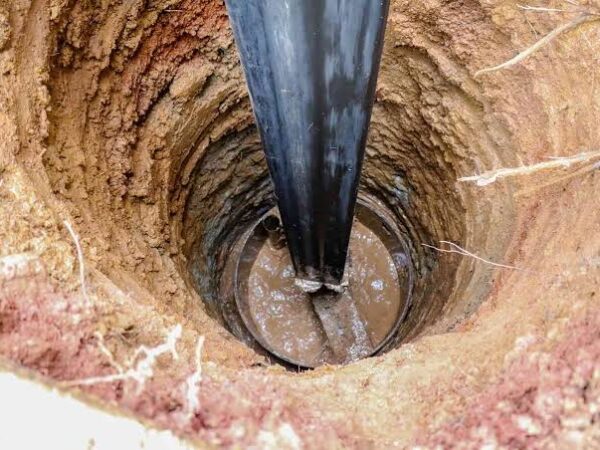
Boreholes have become increasingly popular as a reliable means of accessing vital resources such as water, oil, gas, and minerals. Whether for residential, commercial, or industrial purposes, understanding what a borehole is and how it works is essential for making informed decisions about drilling projects. In this article, we’ll delve into the fundamentals of boreholes, their construction process, and how they function to provide these valuable resources.
- What is a Borehole?
A borehole, in simple terms, is a narrow, deep hole drilled into the earth’s surface. These holes can range from a few meters to several kilometers in depth, depending on the intended purpose and geology of the area. Boreholes are commonly used to extract groundwater, which is essential for drinking, agriculture, and industrial processes. They also play a crucial role in geotechnical investigations and accessing subsurface resources like oil and gas.
- The Borehole Drilling Process
The process of drilling a borehole involves several key steps:
a. Site Investigation: Before commencing drilling, a thorough site investigation is conducted to assess the geology and hydrogeology of the area. This helps identify potential water sources and ensures the most suitable location for drilling.
b. Choosing the Right Equipment: The choice of drilling equipment depends on factors such as the depth of the borehole, the type of formation being drilled, and the intended use of the borehole.
c. Drilling: The actual drilling process involves rotating a drill bit attached to the drill string to cut through the earth’s layers. Drilling fluid (mud) is used to lubricate the bit, carry cuttings to the surface, and stabilize the borehole walls.
d. Casing and Grouting: To prevent the borehole from collapsing and to protect groundwater from contamination, steel casings are installed and grouting material is injected between the casing and the borehole walls.
e. Development: Once the drilling is complete, the borehole undergoes development, which includes cleaning, purging, and testing to ensure optimal water flow.
- How Boreholes Work
The functioning of boreholes varies depending on their purpose:
a. Groundwater Extraction: Boreholes used for accessing groundwater tap into aquifers, which are layers of porous rock or sediment that contain water. When a borehole is drilled into an aquifer, water flows into the borehole due to the difference in water pressure between the aquifer and the surface.
b. Oil and Gas Extraction: In the case of oil and gas extraction, boreholes are drilled into geological formations that contain hydrocarbons. When the borehole reaches these reservoirs, the pressure within forces the oil or gas to flow to the surface.
c. Geotechnical Investigations: Boreholes for geotechnical purposes provide valuable information about the soil and rock properties of an area. Engineers and geologists use this data to assess the stability of the ground and design appropriate structures.
Boreholes are indispensable tools for accessing crucial resources hidden beneath the earth’s surface. Whether drilling for water, oil, gas, or conducting geotechnical investigations, understanding the basics of boreholes and their functioning is vital for successful drilling projects.
Before embarking on a borehole project, it’s essential to conduct thorough research, seek professional advice, and comply with local regulations to ensure a safe and environmentally responsible drilling process. With proper planning and execution, boreholes can be a reliable and sustainable solution for meeting various needs, contributing to the betterment of communities and industries alike.