
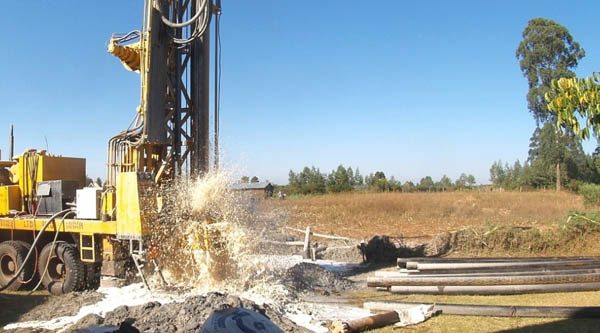
When it comes to drilling a borehole, it’s crucial to understand the necessary permits and regulations to ensure compliance with environmental, safety, and legal standards. This article serves as a comprehensive guide, outlining the key permits and regulations required for borehole drilling. By adhering to these requirements, you can ensure the successful and lawful execution of your drilling project.
- Water Rights and Permits
Before drilling a borehole, it is essential to obtain the appropriate water rights and permits. These permissions typically vary based on geographical location and the intended use of the water. The process often involves contacting the local water resources agency or regulatory body to understand the specific requirements and obtain the necessary permits.
- Environmental Impact Assessment (EIA)
An Environmental Impact Assessment (EIA) is crucial to evaluate the potential environmental effects of drilling a borehole. This assessment is conducted to identify and mitigate any negative impacts on the surrounding ecosystem, including groundwater resources, flora, fauna, and biodiversity. Depending on the scale and scope of the drilling project, you may need to engage with environmental consultants or agencies to complete the EIA process.
- Land Use and Zoning Regulations
Understanding land use and zoning regulations is vital when planning a borehole drilling project. Different areas may have specific zoning regulations governing the use of land for drilling purposes. It is crucial to consult local authorities or planning departments to determine if your intended drilling location is compliant with zoning ordinances. Compliance with these regulations ensures that drilling activities do not encroach upon restricted areas or infringe upon land-use restrictions.
- Health and Safety Compliance
Drilling a borehole involves potential health and safety risks. Compliance with health and safety regulations is essential to protect workers, the public, and the environment. Depending on the jurisdiction, this may involve obtaining permits related to occupational health and safety, hazardous material handling, and emergency response plans. Engaging qualified safety professionals and adhering to industry best practices will help ensure compliance and mitigate risks.
- Licensing and Certification
In many regions, borehole drilling requires licensed professionals or certified contractors. The specific licensing requirements may vary, but they typically involve a combination of education, experience, and passing examinations. Hiring licensed professionals will not only ensure compliance with regulations but also guarantee the use of skilled and qualified personnel for the drilling project.
- Well Construction and Permitting
The construction of the borehole itself may require additional permits and approvals. These permits typically govern the technical aspects of drilling, such as well design, casing installation, and well construction standards. Compliance with these regulations helps ensure the structural integrity of the borehole, prevent contamination, and maintain the long-term viability of the water source.
Drilling a borehole is a complex process that requires compliance with various permits and regulations. By familiarizing yourself with the necessary requirements, such as water rights, environmental impact assessments, zoning regulations, health and safety compliance, licensing, and well construction permits, you can ensure a successful and legally compliant drilling project. Engaging with local authorities, professional consultants, and experienced contractors will provide valuable guidance throughout the process. Remember, adherence to these regulations not only protects the environment and public safety but also ensures the sustainable utilization of groundwater resources for future generations.