
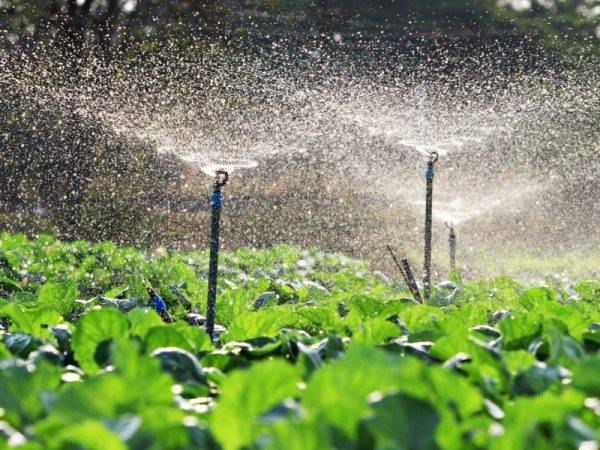
As the demand for sustainable agricultural practices grows, farmers and landowners are exploring various methods to optimize their irrigation systems. One such solution gaining popularity is the utilization of boreholes for irrigation water supply. In this article, we delve into the potential of boreholes to provide sufficient water for irrigation and the factors to consider when implementing this approach.
- Understanding Boreholes: A borehole is a narrow, drilled hole that penetrates the Earth’s surface, reaching groundwater reserves. These reservoirs of water can serve as a reliable and sustainable source for irrigation needs. However, it’s essential to evaluate the hydrogeological conditions and characteristics of the specific area to determine if a borehole can provide adequate water supply.
- Assessing Water Availability: Before considering boreholes for irrigation, conducting a comprehensive water availability assessment is crucial. Factors such as groundwater table depth, recharge rates, and water quality must be thoroughly analyzed. Hiring a professional hydrogeologist can help determine the suitability of the location and the borehole’s potential to meet irrigation requirements.
- Quantity of Water Supply: The amount of water required for irrigation depends on several factors, including crop type, climate, soil type, and evapotranspiration rates. Boreholes can often provide sufficient water supply for small-scale or localized irrigation systems. However, for larger-scale irrigation projects, multiple boreholes or additional water sources may be necessary.
- Quality of Water: Apart from quantity, the quality of water obtained from boreholes is equally significant. Water quality can impact crop growth, soil health, and overall irrigation system performance. Conducting water quality tests is essential to identify any potential contaminants or mineral imbalances that could affect crop productivity. Water treatment solutions can be implemented to rectify water quality issues, if required.
- Pumping and Distribution: Efficient pumping systems and well-designed distribution networks are vital components of a successful borehole-based irrigation system. Properly sizing the pumps, selecting suitable irrigation methods, and ensuring adequate water pressure throughout the system are crucial for maximizing water utilization and minimizing water losses.
- Maintenance and Sustainability: Regular maintenance of boreholes is essential to ensure continuous water supply and prevent system failure. Monitoring water levels, inspecting equipment, and addressing any issues promptly will help maintain the long-term sustainability of the irrigation system. Developing a maintenance plan and working with qualified professionals can assist in minimizing downtime and optimizing productivity.
- Cost Considerations: Implementing a borehole-based irrigation system involves various costs, including drilling, equipment, installation, and ongoing maintenance. It is important to conduct a thorough cost analysis, considering the initial investment and long-term operational expenses, while also factoring in the potential savings in water bills and the benefits of sustainable water usage.
Boreholes can serve as a reliable source of water for irrigation, providing significant benefits such as sustainable water supply and reduced dependence on traditional sources. By conducting a thorough assessment of water availability, quality, and considering other relevant factors, farmers and landowners can harness the potential of boreholes to optimize their irrigation systems, thereby increasing agricultural productivity while promoting sustainable practices.
Remember, it is important to consult with experts in hydrogeology and irrigation system design to ensure the successful implementation and long-term viability of borehole-based irrigation systems.