
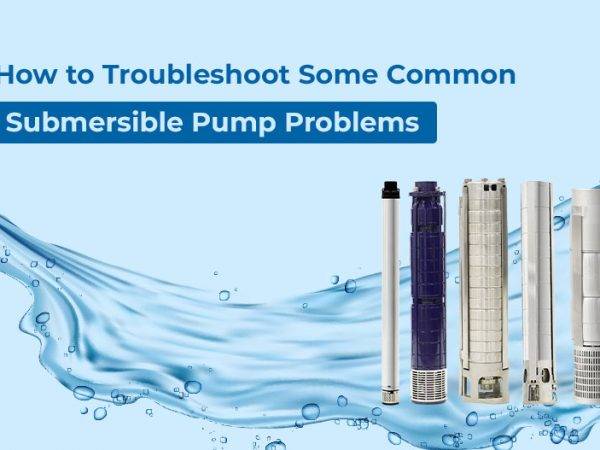
Installing a borehole pump is an excellent investment for accessing a consistent water supply. However, like any other mechanical equipment, borehole pumps require regular maintenance and occasional troubleshooting to ensure their optimal performance. In this article, we will guide you through effective practices to maintain your borehole pump and troubleshoot common issues, allowing you to enjoy a reliable water source for years to come.
- Regular Maintenance:
To keep your borehole pump in good working condition, follow these maintenance practices:
a. Inspect the Pump and Components: Periodically examine the pump, motor, electrical connections, and other components for signs of wear, damage, or leakage. Replace any damaged or worn parts promptly.
b. Clean the Pump Intake: Clear the pump intake of debris such as leaves, dirt, and rocks. This will prevent clogging and ensure uninterrupted water flow.
c. Lubrication: Refer to the manufacturer’s guidelines to determine if your pump requires lubrication. If necessary, apply the recommended lubricant to the specified parts.
d. Check and Maintain Motor Performance: Regularly monitor the motor’s performance, including the voltage, amperage, and temperature. Unusual fluctuations or abnormalities may indicate an underlying issue.
e. Test Pump Pressure: Use a pressure gauge to measure the pump’s pressure. Compare the reading against the manufacturer’s specifications. Low pressure might suggest a problem with the pump or water level, while high pressure may indicate a blockage or malfunctioning pressure switch.
- Troubleshooting Common Issues:
Despite regular maintenance, issues with borehole pumps can still occur. Here are some common problems and troubleshooting steps:
a. Insufficient Water Supply:
If your pump is not delivering an adequate water supply, consider the following:
- Check the water level in the borehole: A drop in water level may require the pump to be lowered or adjusted accordingly.
- Inspect the foot valve and suction pipe: These components should be free from obstructions or damage that may restrict water intake.
- Verify the pump speed and pressure: Adjust the pump’s speed and pressure settings according to the manufacturer’s recommendations.
b. Frequent Pump Cycling:
When your borehole pump frequently starts and stops, address these potential causes:
- Evaluate the pressure tank: A malfunctioning pressure tank can cause rapid cycling. Ensure the tank’s pre-charge pressure aligns with the manufacturer’s guidelines.
- Check for leaks: Leaks in the system, such as damaged pipes or faulty fittings, can lead to pressure fluctuations and frequent pump cycling. Repair or replace any leaking components.
c. Unusual Noises:
Unusual noises from the pump can indicate underlying issues:
- Investigate the motor bearings: Worn or damaged motor bearings can produce grinding or screeching noises. Lubricate or replace them as necessary.
- Inspect the impeller: A loose or damaged impeller can cause rattling or banging sounds. Replace the impeller if needed.
- Check for cavitation: Cavitation occurs when air bubbles form in the pump, leading to a noisy operation. Ensure the pump is adequately primed, and the water supply is sufficient.
Proper maintenance and timely troubleshooting are crucial for the efficient and reliable operation of your borehole pump. By following the maintenance practices outlined above and addressing common issues promptly, you can ensure a long lifespan for your pump and a consistent supply of water. Remember to consult the manufacturer’s guidelines for specific instructions related to your pump model.