
When it comes to accessing water from a borehole or well, having the right water pump is essential. The proper water pump ensures efficient water extraction, reliable performance, and long-term durability. With various types and models available, it can be overwhelming to determine which water pump is best suited for your specific needs. In this article, we will guide you through the process of selecting the ideal water pump for your borehole or well, considering important factors such as water depth, flow rate requirements, and pump type.
- Assess Your Water Requirements:
The first step in choosing the best water pump is to determine your water requirements. Consider the following factors:
a. Water Depth: Measure the depth of your borehole or well. This information is crucial in selecting a pump with adequate pumping capabilities to reach the water source effectively.
b. Flow Rate: Calculate the desired flow rate, which represents the volume of water required within a specific time frame. This will help you determine the pump’s capacity and ensure it can meet your water demands efficiently.
c. Pressure Needs: Evaluate whether you require high pressure for irrigation or other purposes. Certain applications, such as sprinkler systems, may demand pumps that can provide sufficient pressure to cover the desired area.
- Understand Pump Types:
Different pump types are available for boreholes and wells. Here are the two most commonly used options:
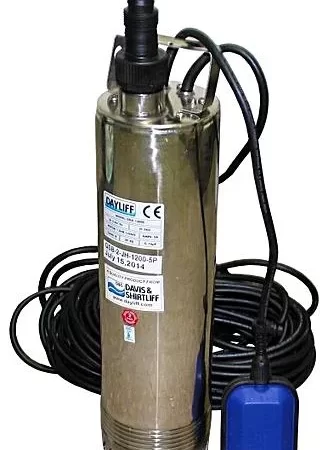
a. Submersible Pumps: These pumps are designed to be submerged in water, usually situated deep within the borehole or well. They are highly efficient, reliable, and suitable for deeper water sources. Submersible pumps are commonly used for domestic, agricultural, and industrial applications.
b. Jet Pumps: Jet pumps are installed above ground and use suction to draw water from the borehole or well. They are more affordable compared to submersible pumps and are suitable for shallow to moderate water depths. Jet pumps are typically used for residential purposes.
- Consider Pump Features:
When evaluating different water pump options, pay attention to the following features:
a. Motor Power: Ensure the pump’s motor power is suitable for your water requirements. Higher horsepower is generally necessary for deeper wells or boreholes with high water levels.
b. Pump Material: Look for pumps made of durable materials such as stainless steel or cast iron, as they offer better resistance against corrosion and are built to withstand harsh conditions.
c. Energy Efficiency: Opt for energy-efficient pumps to minimize operating costs and reduce environmental impact. Look for pumps with high motor efficiency ratings or energy-saving features like variable speed drives.
d. Warranty and After-Sales Support: Check for warranties and reliable after-sales support from the manufacturer or supplier. A good warranty ensures peace of mind and assistance in case of any issues with the pump.
- Seek Professional Advice:
If you’re uncertain about which water pump is best for your borehole or well, consult professionals or pump specialists. They can assess your specific requirements, water source characteristics, and recommend the most suitable pump for your needs. Their expertise and knowledge can help ensure a successful and efficient water extraction system.
Selecting the best water pump for your borehole or well is crucial for ensuring optimal performance and meeting your water requirements effectively. Consider factors such as water depth, flow rate, pump type, and various features to make an informed decision. By assessing your needs and seeking professional advice when necessary, you can find a reliable water pump that will provide you with a consistent and efficient water supply for years to come.