
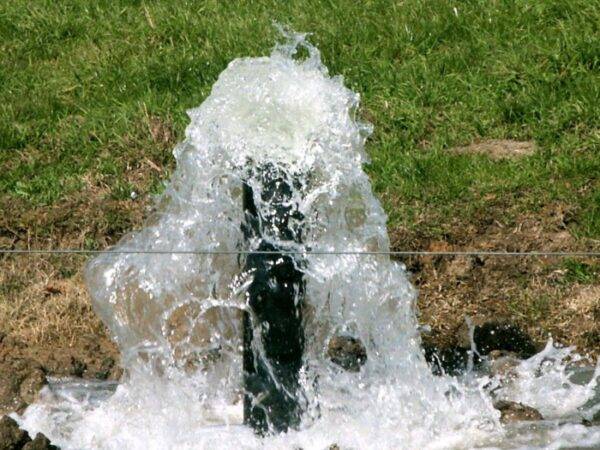
Drilling a borehole can be a valuable investment, providing a reliable and sustainable source of water for various purposes. However, before embarking on such a project, it is crucial to consider several factors to ensure its success and cost-effectiveness. By carefully evaluating these key aspects, individuals and organizations can make informed decisions and optimize the outcomes of their borehole solutions. In this article, we will explore the essential factors that should be taken into account before drilling a borehole.
- Water Availability and Demand
Assessing the availability of water resources in the desired location is the first step. Conduct thorough research or consult local experts to determine the presence of underground water sources, such as aquifers, and the estimated water yield. It is also essential to evaluate the water demands and usage patterns to ensure the borehole can adequately meet the required water supply.
- Geological Survey and Site Evaluation
Performing a geological survey and site evaluation is crucial to understand the geological composition of the area. Geologists can analyze rock formations, soil conditions, and hydrogeological data to identify potential challenges, such as the presence of hard rock or underground obstacles that could hinder drilling progress or impact water quality. This evaluation helps in choosing the right drilling method and equipment for the specific site conditions.
- Legal and Regulatory Considerations
Before commencing any drilling activity, it is imperative to adhere to local laws, regulations, and permits. Different regions may have specific guidelines regarding borehole drilling, groundwater extraction, and environmental protection. Ensure compliance with all legal requirements, including obtaining permits and permissions from relevant authorities, to avoid potential penalties or complications in the future.
- Budget and Cost Analysis
Developing a comprehensive budget is crucial to evaluate the financial feasibility of the borehole project. Consider the costs associated with drilling equipment, labor, materials, permits, maintenance, and any additional expenses specific to the site conditions. Obtaining quotes from reputable drilling companies or consultants can help in estimating the total cost and avoid unexpected financial burdens.
- Maintenance and Operation
A borehole requires regular maintenance to ensure its longevity and optimal performance. Consider the ongoing costs and responsibilities associated with maintaining and operating the borehole system. This includes factors such as pump maintenance, water treatment, periodic inspections, and potential repairs. Adequate planning and budgeting for maintenance activities are essential to keep the borehole functioning efficiently over its lifespan.
- Environmental Impact Assessment
Assessing the potential environmental impact of drilling a borehole is crucial for sustainable and responsible water extraction. Evaluate the environmental sensitivity of the area, including any nearby ecosystems, water sources, or protected areas. Implement measures to minimize any negative impact on the environment and ensure the proper disposal of drilling waste or chemicals.
Drilling a borehole can provide a reliable and independent water supply solution, but it requires careful consideration of several factors. Evaluating water availability, conducting a thorough site evaluation, complying with legal requirements, analyzing the costs, planning for maintenance, and assessing environmental impacts are crucial steps in the decision-making process. By taking these factors into account, individuals and organizations can make informed choices and maximize the benefits of their borehole solutions while minimizing potential risks and challenges.