
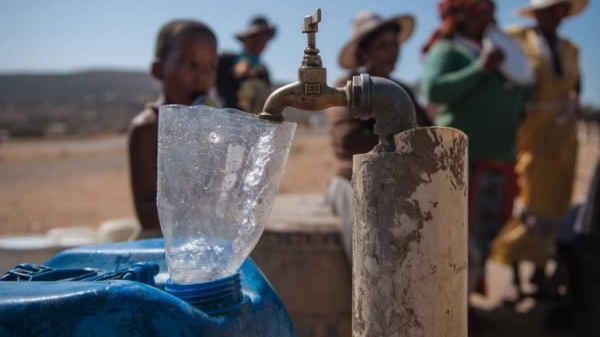
Borehole solutions have become increasingly important in providing access to clean water in many parts of Africa. A borehole is a narrow shaft drilled into the ground to access water, and they are a crucial source of water for both rural and urban communities.
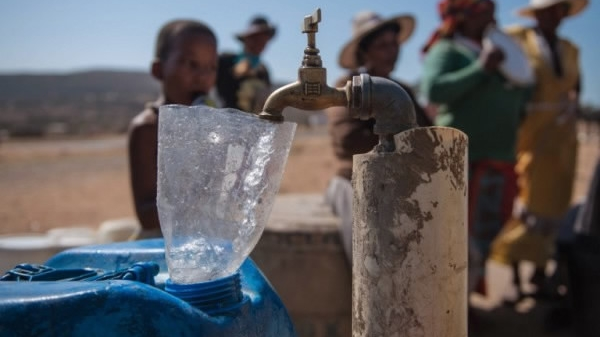
Recently, there have been various initiatives aimed at improving borehole solutions in Africa, with a focus on increasing access to clean water and improving the sustainability of these systems. For example, organizations like UNICEF and the African Development Bank have been working to improve the delivery of borehole solutions and to ensure that they are maintained over the long term.
In addition, there have been efforts to promote the use of renewable energy sources to power boreholes, which can help to reduce the environmental impact of these systems and increase their reliability. For example, solar-powered boreholes are becoming more common, particularly in rural areas where access to electricity is limited.
Another important aspect of borehole solutions in Africa is the need to educate communities on proper usage and maintenance practices. This is crucial for ensuring the sustainability of these systems and maximizing their impact on improving access to clean water.
Overall, the continued development and implementation of effective borehole solutions will play a key role in addressing the water crisis in Africa and improving access to clean water for millions of people.