
As the demand for clean and sustainable energy sources continues to rise, more and more homeowners are turning to solar power as a viable alternative. While solar energy offers numerous benefits, it’s crucial to avoid common mistakes that could hinder its optimal utilization. In this article, we will explore the top seven mistakes people often make when it comes to solar energy and provide helpful tips on how to avoid them.
- Neglecting a Proper Site Assessment: One of the most significant mistakes people make is overlooking a thorough site assessment before installing solar panels. Failing to evaluate factors like shading, roof orientation, and available space can result in suboptimal solar energy production. It’s crucial to consult with professionals who can assess your site accurately and recommend the best solar system placement for maximum efficiency.
- Underestimating Energy Consumption: Another common mistake is underestimating your energy needs when designing your solar energy system. It’s essential to consider your current energy consumption and account for any future increases. By accurately assessing your energy requirements, you can determine the right size and capacity for your solar panel installation, ensuring it meets your needs both now and in the future.
- Ignoring the Importance of Energy Efficiency: Before going solar, it’s essential to focus on energy efficiency measures within your home. Ignoring energy-saving practices such as sealing air leaks, insulating your home, and using energy-efficient appliances can lead to a larger solar system than necessary. By improving energy efficiency, you can reduce your overall energy consumption, resulting in a more cost-effective and appropriately sized solar panel system.
- Choosing Inexperienced or Unreliable Installers: Selecting the wrong installation company can lead to numerous issues down the line. Hiring inexperienced or unreliable installers may result in subpar workmanship, system inefficiencies, and potential safety hazards. To avoid these problems, thoroughly research and vet potential solar installation companies. Look for certifications, customer reviews, and warranties to ensure you choose a reputable and experienced installer.
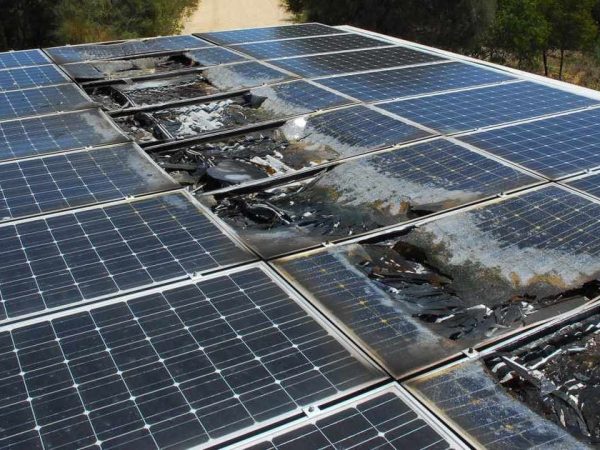
- Neglecting Maintenance and Monitoring: Solar panels require regular maintenance to operate at peak efficiency. Neglecting routine maintenance, such as cleaning the panels, checking for damage, and monitoring system performance, can result in decreased energy production and potential long-term issues. Make sure to schedule regular maintenance and inspections to keep your solar system running optimally and maximize its lifespan.
- Forgetting to Review Financing Options: Many people make the mistake of not thoroughly exploring their financing options when switching to solar energy. Investing in solar can be a significant financial decision, and there are various financing options available, such as solar loans, leases, and power purchase agreements (PPAs). Research and compare these options to find the one that best suits your budget and long-term financial goals.
- Overlooking Local Regulations and Incentives: Each region has its specific regulations, permits, and incentives related to solar installations. Failing to understand and comply with local regulations can lead to costly delays and even potential legal issues. Additionally, overlooking available incentives, such as tax credits or rebates, can result in missed opportunities to reduce the upfront costs of your solar system. Research local regulations and incentives to ensure a smooth and cost-effective solar installation process.
Switching to solar energy is a significant step towards sustainability and energy independence. By avoiding these common mistakes, you can ensure a successful and efficient transition. Remember to conduct a thorough site assessment, accurately assess your energy consumption, prioritize energy efficiency, choose experienced installers, schedule regular maintenance, review financing options, and stay informed about local regulations and incentives. By doing so, you can optimize the benefits of solar energy while minimizing any potential pitfalls.